





Every brand has a personality, but could it be heard as well as seen? Music videos, or let’s say soundtracks, have become a medium exactly for that. With music videos, you can communicate mood, emotion, and overall brand identity in ways visuals alone often cannot.
However, creating brand music videos is often expensive and time-consuming with the traditional approach. Fortunately, things have changed. With AI-powered tools like invideo AI, creating high-quality music videos is no longer limited to big-budget productions. And the best part? The results actually match the polish of professional-grade videos.
In this guide, you’ll learn a step-by-step approach to creating brand music videos that engage and inspire your audience. No matter if you’re a solo entrepreneur, a marketing manager, or a content creator, this guide shows how to produce impactful music videos without any hassle.
Let’s dive in!
Why Music Videos (Soundtracks) Work for Brand Marketing?
Brand music videos, or let's say, soundtracks, are powerful marketing tools because they connect with audiences on a deeper level. Here’s a music video that shows a girl moving between moods, memories, and moments, almost like traveling through emotional landscapes powered by music.
That’s what gives it emotional depth. It celebrates how music connects us to our past, uplifts our present, and carries us somewhere new every time we press play
Higher Retention
Music videos create higher retention as they combine visual storytelling with sound, making the message more memorable and emotionally engaging. When viewers connect a catchy tune or striking visuals with a brand, it forms a sensory memory that lasts much longer than plain ads.
The rhythm and repetition of music also help reinforce the brand message subconsciously, leading to better recall over time. In simple terms, people might forget what they read, but they rarely forget what they feel, and music videos make them feel something.
Virality Potential
Music-driven content is inherently shareable. When it’s emotional, humorous, or provocative, audiences spread it voluntarily. Here’s a similar soundtrack made for Liquid Death, which perfectly captures its enthusiastic spirit.
You can create similar videos that connect with your audience by focusing on the right mix of music, visuals, and emotion.
Versatility
A single music video or music-driven campaign can reach audiences across multiple platforms without creating separate content for each. The same soundtrack and visuals can be adapted for social media, YouTube, website landing pages, or even in-store displays, maintaining a consistent brand identity everywhere. This not only saves time and production costs but also ensures that the brand’s message stays cohesive, no matter where the audience encounters.
Brand Recall
When brands use the same sound consistently across ads, apps, and products, it becomes part of how people remember them. Take a look at this soundtrack made for McDonald’s with invideo. It perfectly captures the cheerful vibe of people happily enjoying their meals.
That upbeat tune instantly reminds you of the brand, even before the logo appears.
This is a great example of brand recall, when a sound becomes so strongly linked with a brand that you recognize it anywhere.
Types of Brand Music Videos You Can Create
When it comes to creating brand videos for your business, there are several types you can choose from. Here are 6 such prominent types of brand music videos you can create for your business:
1. Unique Jingles That Become Memory Hooks
Some tunes just stick in your head long after the ad is over — that’s the power of a memorable jingle. Here’s a music video made for Drip Drop, with catchy lyrics and upbeat music that works well as a memorable jingle.
Inspired by this business music video, you can create one for your brand using AI with intriguing lyrics and eye-catching visuals.
2. Brand Anthems That Capture Your Ethos
A brand anthem is like your company’s musical identity that captures its spirit, mission, and emotion all in one track. Take a look at this unofficial brand anthem made for the FIFA World Cup '26, which reinvents a classic tune.
You can create a similar soundtrack for your brand using AI within minutes, without spending a fortune that usually goes into making music videos from scratch
3. Social-First Content (Reels, Shorts, TikTok)
Then there’s music made for the internet: short, addictive, and designed to trend. Take a look at this Instagram reel that uses an upbeat soundtrack made with AI, which instantly pulls you into the festive vibe.
The music not only enhances the spooky yet playful atmosphere but also keeps viewers engaged till the end.
4. Music Promos for Launches and Drops
When a brand has a new product launch, special edition, or “drop”, using a music-driven video gives it energy, excitement, and shareable appeal. For instance, this clip announcing the integration of invideo with Veo 3.1 uses its soundtrack to make the reveal feel more powerful and exciting.
The dynamic, cinematic music syncs perfectly with the sleek visuals, smooth transitions, and futuristic lighting.
5. Educational Pieces (Courses, Kids’ Learning, Explainers)
Educational music videos or soundtracks are designed not only to entertain but to teach. They might simplify a concept using music, just as this quick tutorial on how you can create spooky Halloween music tracks using AI.
This works because music aids memory, which is why it proves to be effective for learning-based content.
6. Important Moments (Employee Gifting, Milestones, Celebrations)
These videos are about internal culture, employee experience, brand milestones/growth, or celebrations. Music helps set the tone (uplifting, reflective, celebratory), which helps in brand culture building, internal & external brand image.
Step-by-Step: Creating Your Brand Music Video with InVideo AI
Let’s now look at how you can create similar music videos for your brand using invideo AI. Here’s a step-by-step breakdown:
Step 1: Define Your Idea/Objective
Before opening your camera or editing software, figure out what you want your audience to take away from the video. Define the message and outline a rough structure.
Step 2: Add Your Music Prompt
Once done, type your prompt into the “prompt” box precisely as you want it. Add details like brand name, mood, genre, instruments, and type of video.
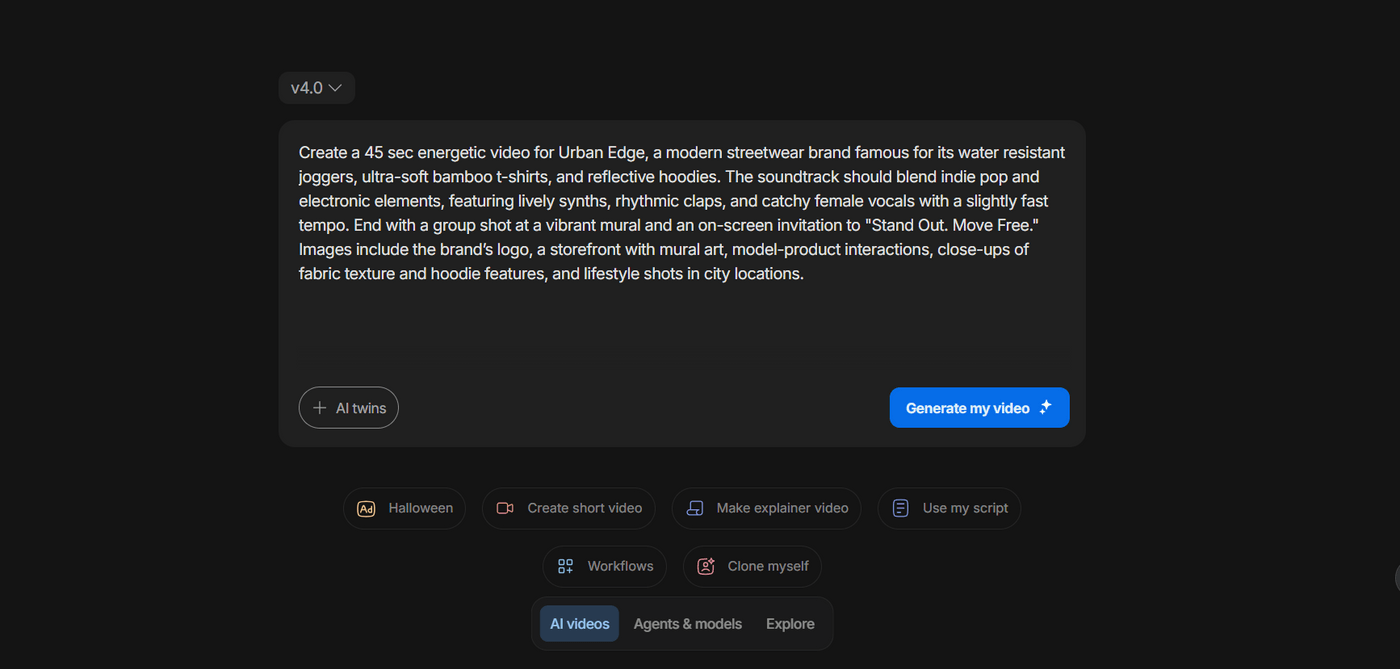
If you want a particular vibe, add an artist reference and click on the “Generate my video button.”
Step 3: Expand on Your Idea & Business
Next, elaborate on your idea more and add short product details like key features, benefit statements, and one emotional hook.
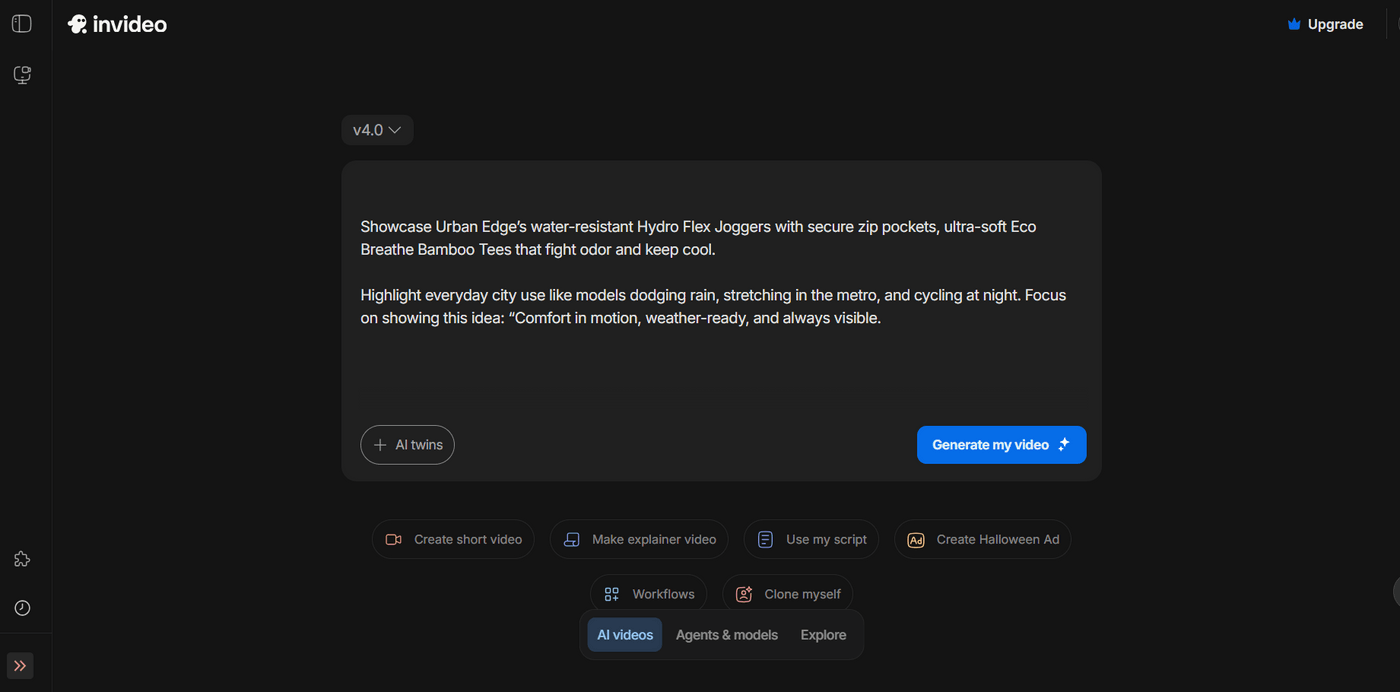
These lines tell the AI what to show during product closeups and help it choose scene types.
Step 4: Attach (The Creative Steering Wheel)
Next, choose the duration, platform, and media you want to include in the video. These attachments act as your steering wheel as they set the color palette, product look, and the faces/styles you prefer.
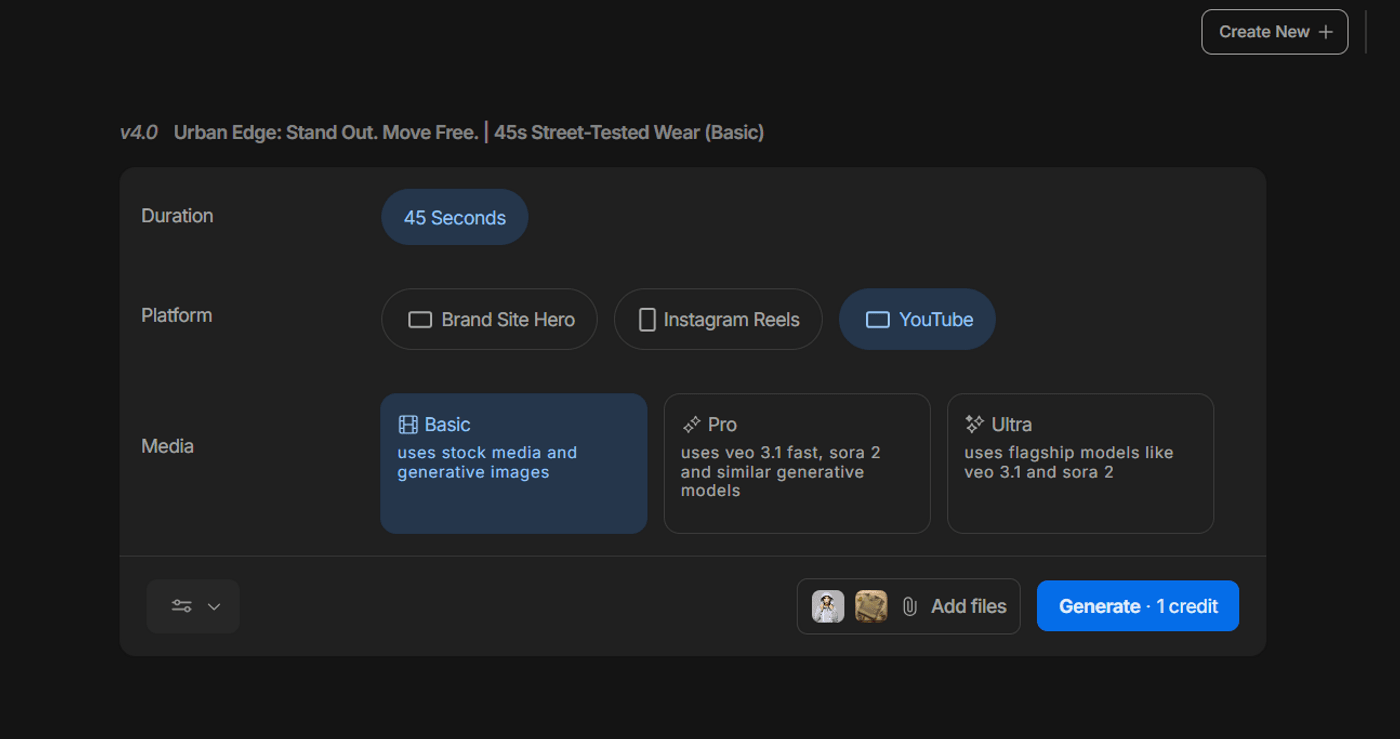
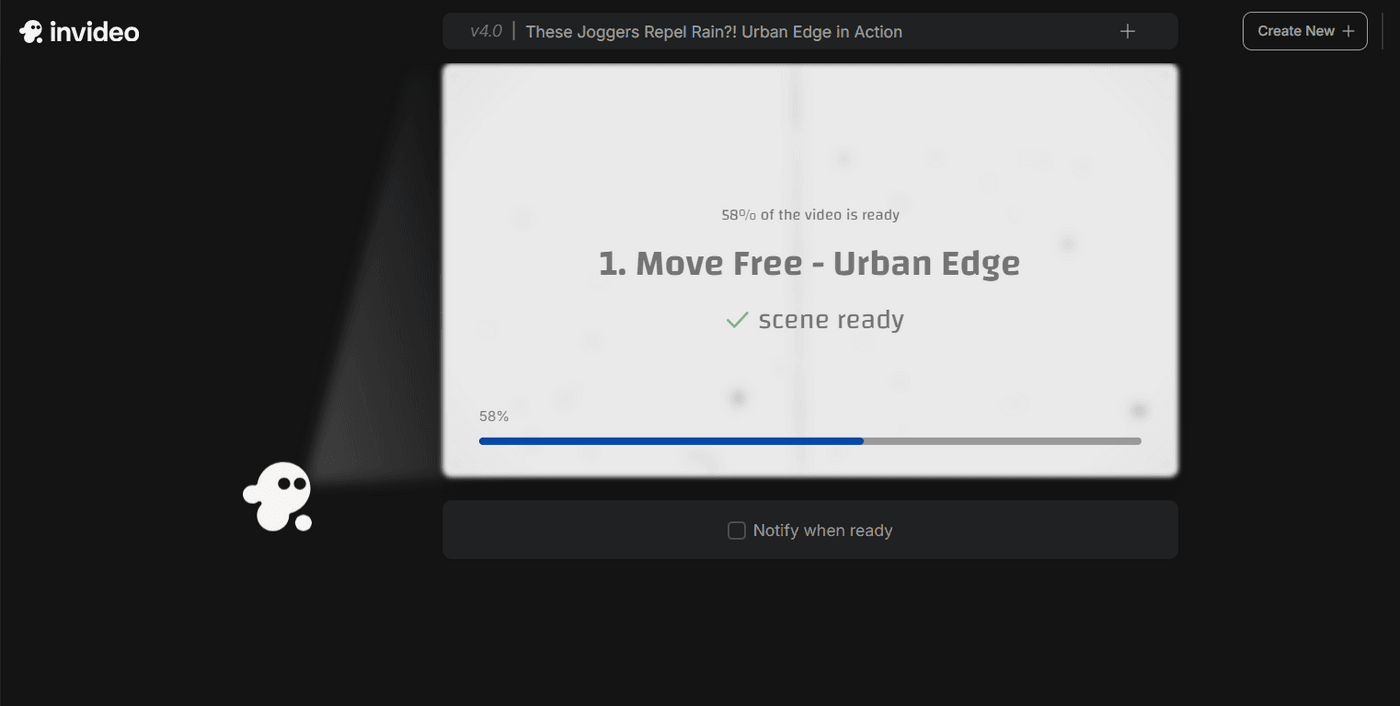
Step 5: Generate and Review
Now, let the tool process your request.
Step 6: Edit & Refine with Specific Commands
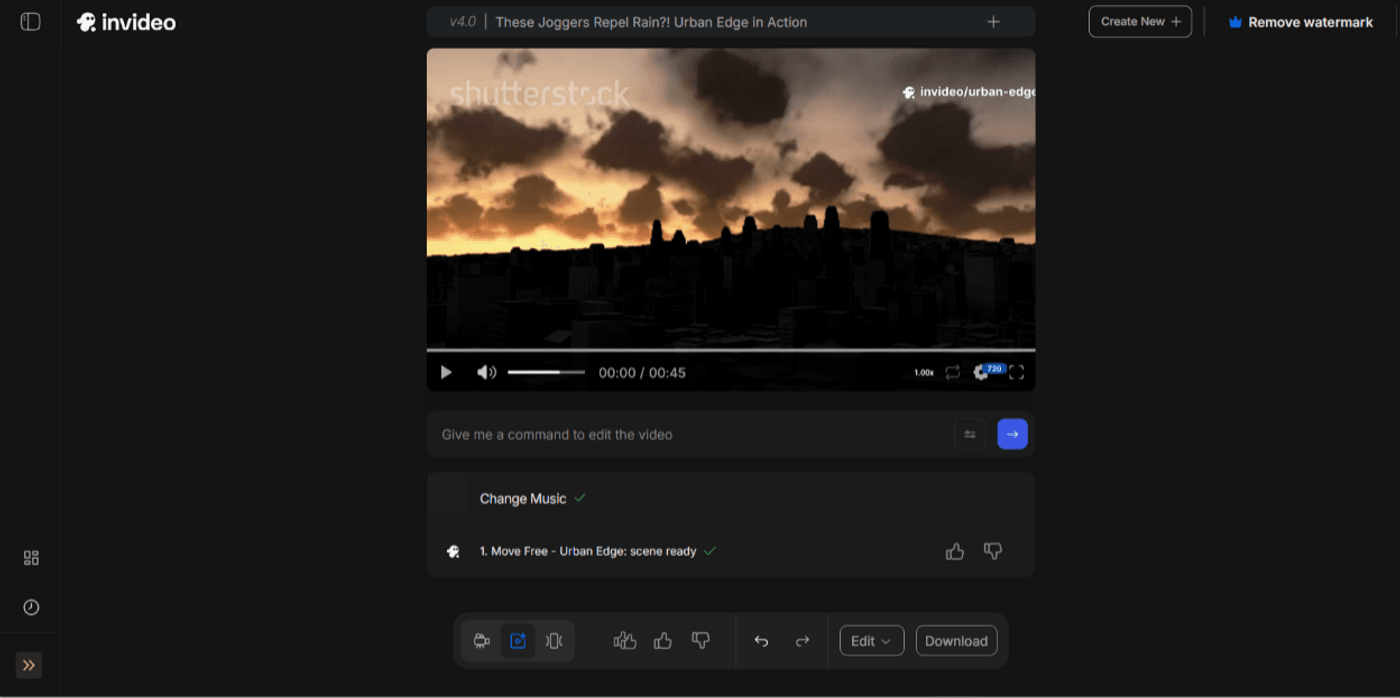
Once generated, open the video in the editor. If you want to make specific edits, simply give a command in the input area, and the changes will be made automatically.
Step 7: Download
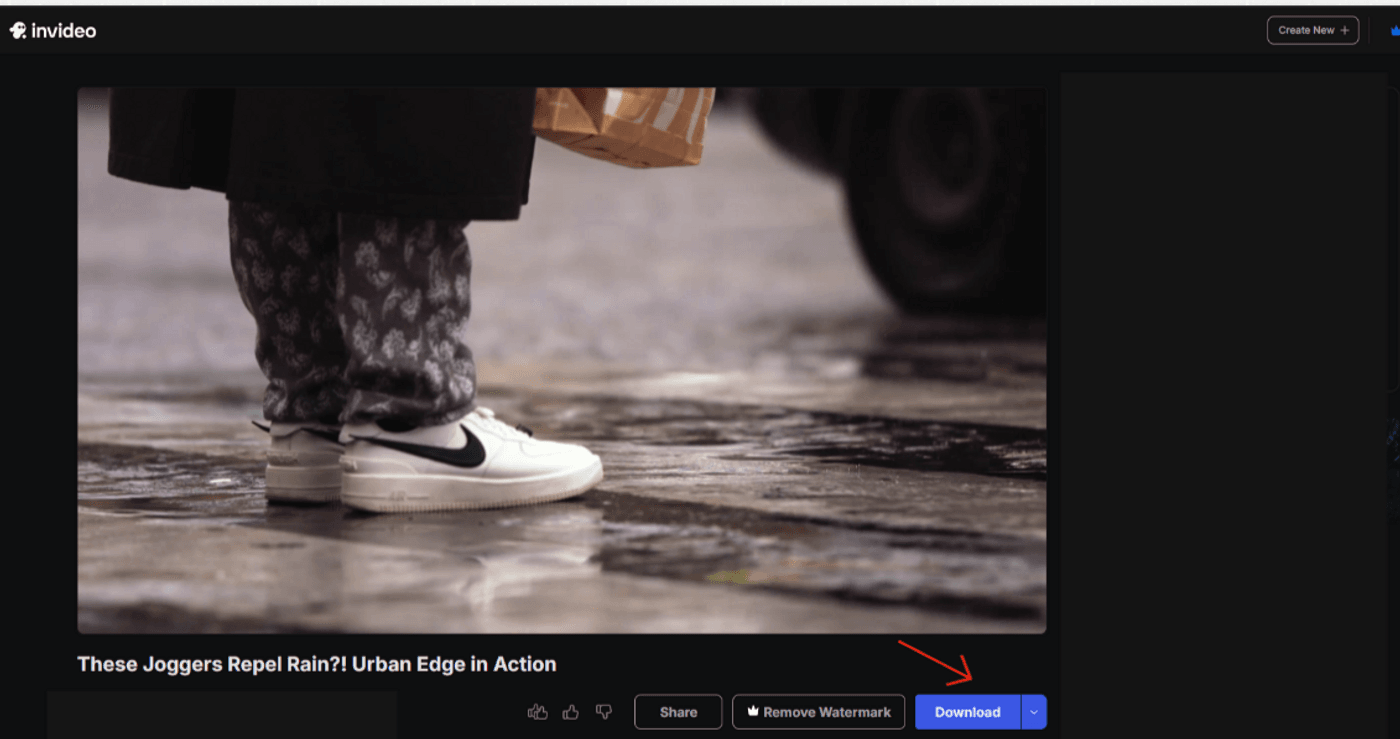
Once you’re satisfied with the edits, it’s time to wrap up. In the final preview screen, hit the blue “Download” button at the bottom-right corner. The platform renders your video and saves it to your system in the format and resolution you selected earlier.
Finally, share it directly from the tool if the platform integration allows — or upload manually with optimized captions and hashtags. This ensures your video goes live exactly where your audience spends time.
Best Practices for Brand Music Videos
To create a music video that actually performs well for your brand, it is always recommended to follow some fundamental best practices. Let’s break down 2 such essentials you need to nail every single time.
1. Front-Load Your Message And Be Specific With Prompts: Grab attention in the first 3 seconds with your strongest visuals and music. Be precise with AI prompts and include genre, instruments, tempo, and mood.
2. Keep It Concise And Optimize For Every Viewer: Limit videos to 15–60 seconds, match music to your brand personality, and add captions so it works even without sound.
3. Align Visuals With The Music: Make sure the rhythm and visuals complement the soundtrack for a smooth, engaging experience.
4. Tell a Story, Even Briefly: Even short videos should have a clear beginning, middle, and end to make the brand message memorable.
5. Focus on Shareability and Emotion: Create content that evokes feelings or entertains, encouraging viewers to share and expand your reach organically.
Before You Go...
There was a time when music videos were something only big brands could afford. But with AI tools now doing the heavy lifting, you don’t need a production team or huge budget to make something that feels real and resonates. What matters is starting. Try turning one idea into sound and motion, and you’ll see how quickly your brand starts to feel alive in a new way. Because at its core, marketing is about selling but making people feel something. And that’s exactly what good music does best!
