





In this guide, we’ll explore how travel brands use video for sensory storytelling, cinematic techniques, UGC formats, and platform-specific strategies to inspire bookings without lowering brand value. These approaches keep the experience in focus while still giving customers a timely reason to take action during Black Friday.
Black Friday often pushes brands toward steep discounts, especially in the travel industry. But lowering prices too much can take attention away from what makes travel truly special: the experience. This is where video really steps in by helping people imagine how it feels to be there rather than just announcing an offer.
Rather than leading with “50% off,” you can make a stronger impact by visually highlighting what travelers will get to enjoy: new places, new cultures, and moments they’ll remember long after the sale is over.
So, let’s dive in!
The Experience-First Marketing Mindset
Before planning a Black Friday campaign, you need to start with one simple shift: stop thinking like a discount provider and start thinking like an experience creator to create viral Black Friday ads with AI.
-
Reframing Black Friday Offers
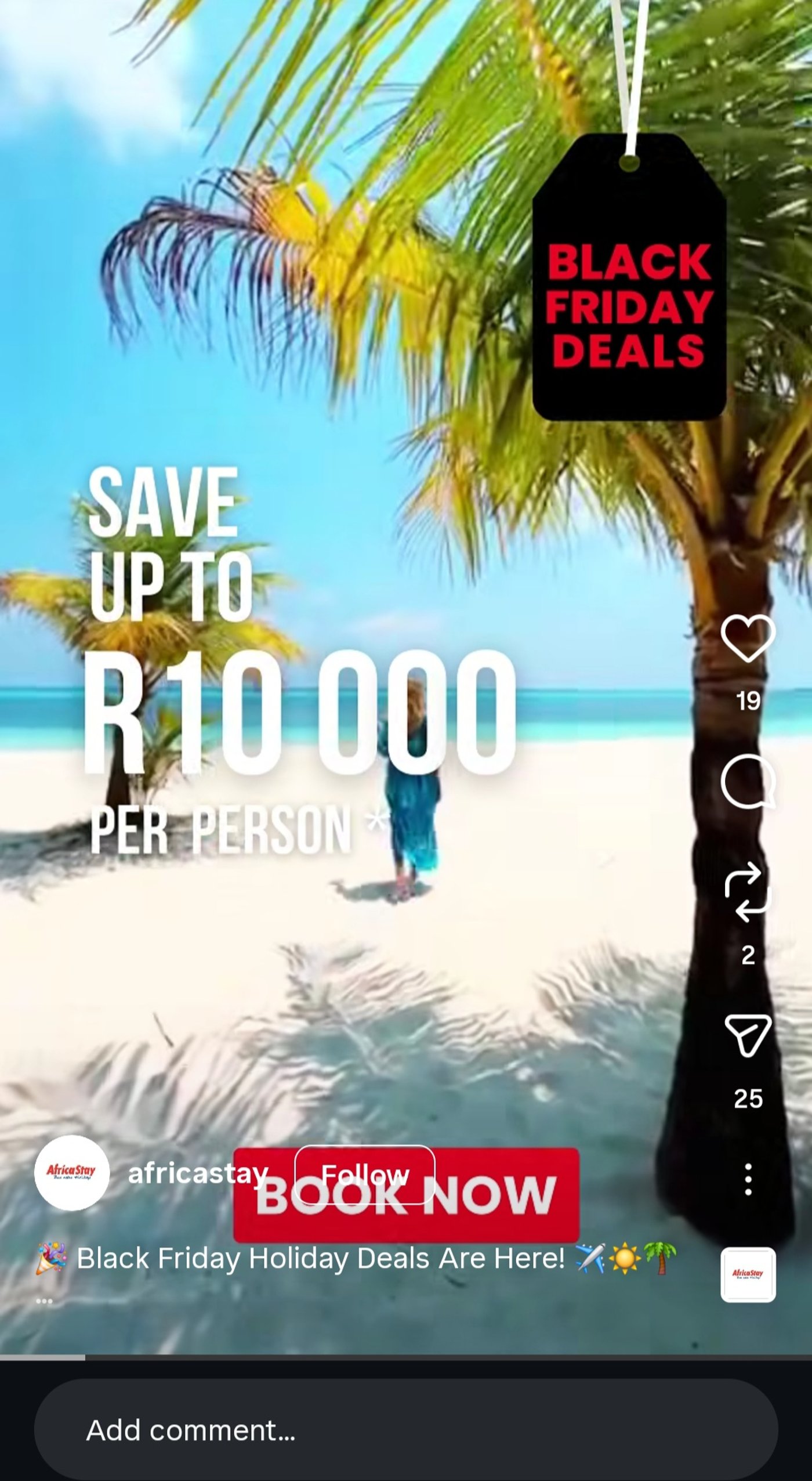
With this mindset, even the offers begin to look different. A message like “Unlock Premium Experiences” instantly feels more aspirational than “50% off.” For example, this reel by @africastay reframes discounts without reducing the brand’s perceived value. Instead of shouting percentages, the video focuses on the experience.
![]()
One protects the brand’s value; the other unintentionally lowers it. By reframing the offer, travel brands stay premium while still giving customers a strong reason to act during Black Friday.
-
Emotional Triggers in Travel Video
Travel decisions are driven more by memory-making promises than by transactions. People imagine the photos they’ll take, the moments they’ll remember, and the stories they’ll come back with. For example, this reel highlights Nick’s experience travelling with his best friends.
You can capture a similar experience from a person's POV to highlight the emotional aspect of travelling. Instead of videos that highlight “low prices,” focus on scenes that spark nostalgia, freedom, connection, or adventure.
Sensory Storytelling Techniques
Travel content performs best when it doesn’t just inform but actually transports. And that’s where sensory storytelling becomes essential. Here are a few ways to execute that:
-
1.
Visual Immersion
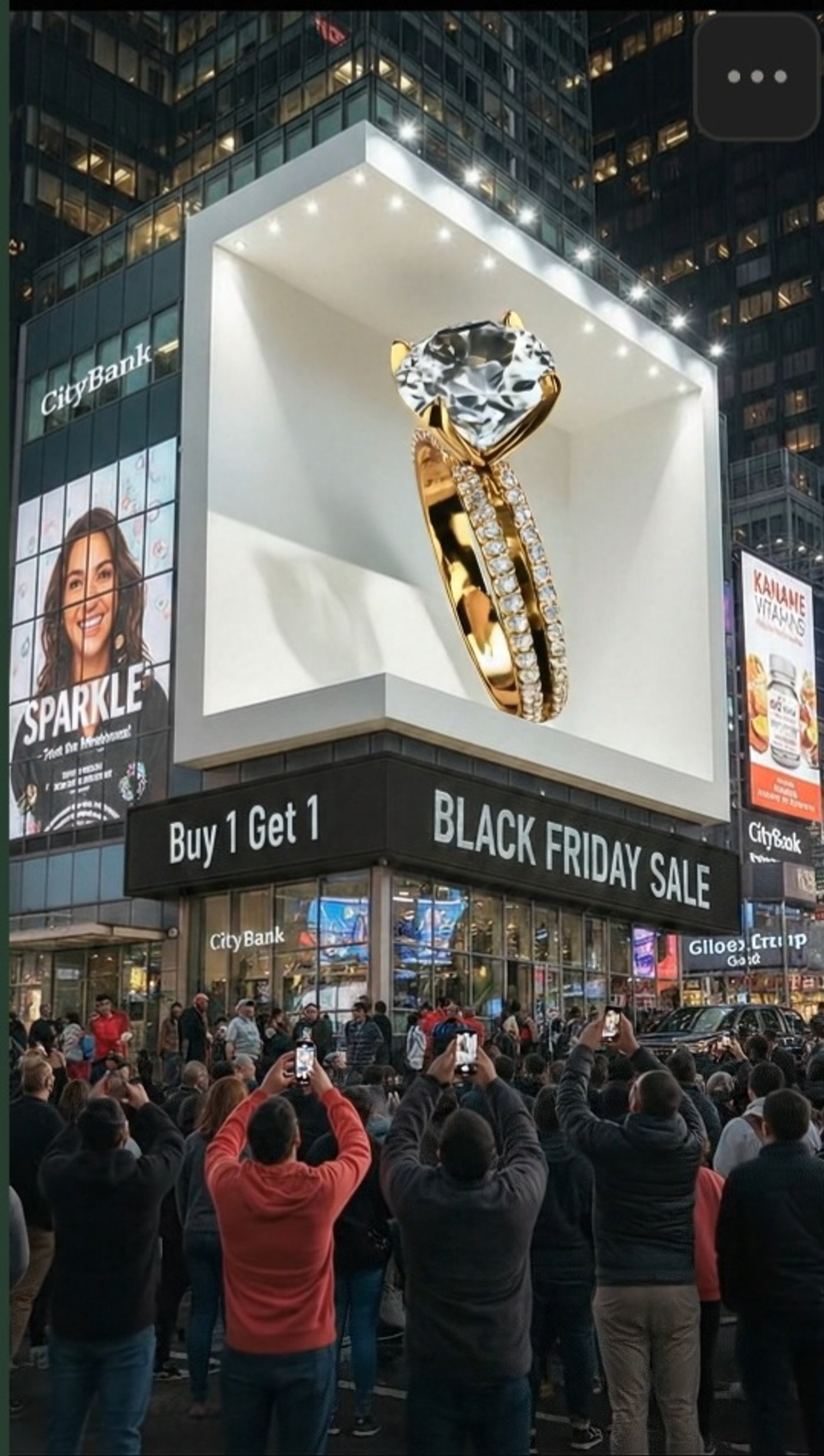
Strong visuals set the emotional tone of a destination, and travel brands can use this to create instant connection. For example, this oversized billboard in Times Square, with crowds stopping to watch a dramatic jewelry reveal.
![]()
For travel brands, this format can be customized by replacing the jewel with a destination highlight to evoke scale, wonder, and big-city energy immediately.
-
2.
Sound Design That Transports
Sound has the power to make a viewer feel like they’re physically present. Travel brands can use ambient waves for beach stays, or city buzz for metropolitan breaks depending on the use case.
-
3.
Camera Movement and Pacing
How the camera moves shapes how viewers understand the place you’re showing. Smooth, intentional moves make destinations feel more premium and desirable. Moreover, different viewing angles can help you tell a complete story:
•Wide sweeps to show scale (beachfront resorts, large lobbies)
•Low-angle shots to add drama (architectural landmarks)
•First-person POV walks for natural, immersive exploration
•Smooth pool pans to highlight relaxation spots and luxury amenities
Pacing matters, too. Shorter platforms like TikTok reward quicker cuts like fast reveals and tight movements that hold attention. Meanwhile YouTube snippets breathe a little more with slower pulls, lingering shots, and a build-up to the feature moment.
For example, this product spotlight preset shows a centred subject revealed with controlled, & smooth motion.
![]()
You can adapt this by keeping the destination highlight like a signature spa, rooftop bar, or lagoon perfectly framed while gliding slowly or rotating slightly to elevate the reveal. A thoughtful mix of motion + pacing ensures every shot feels intentional, engaging, and true to the brand’s premium travel experience. Checkout some trending Black-friday ad presets available on invideo
-
4.
Texture and Detail Focus
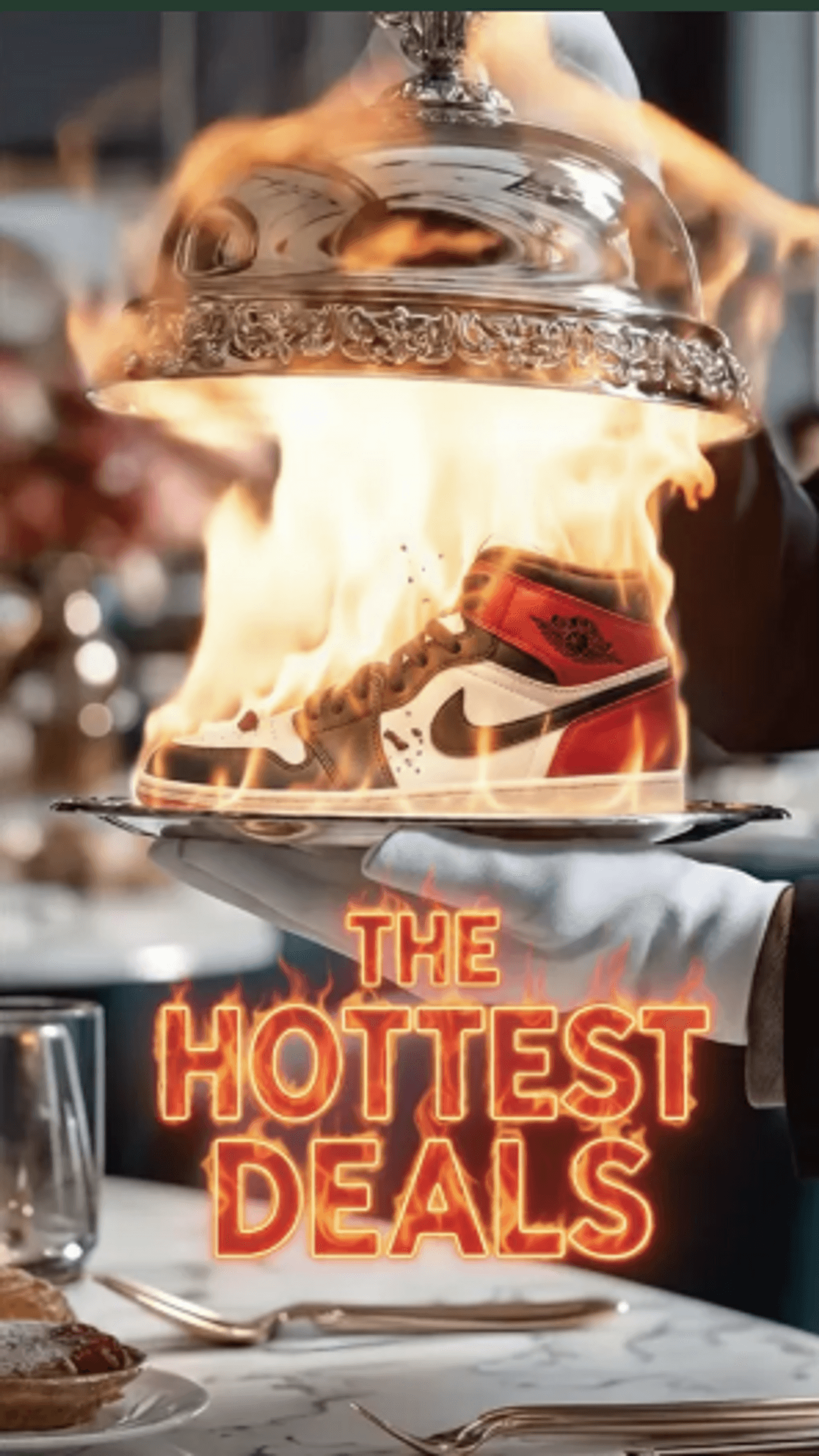
Travel is also experienced through small sensory details. For example, this preset with the flaming cloche lift is a dramatic version of this.
![]()
For travel content, this can be adapted into a cloche reveal for a signature dish at a resort, or a towel-fold or spa setup revealed under soft light.
In the end, the strongest travel videos combine:
•Sight (cinematic color, light, and framing)
•Sound (ambient cues + music)
•Implied touch/taste (texture shots, food close-ups, spa elements)
Together, these create an emotional pull that makes someone want to book the experience, not just watch it.
UGC Remixing for Authentic Social Proof
As audiences become more selective, they’d want to see content that feels real. what makes influencer-style UGC so effective. For example, this UGC documentary style preset shows a creator casually sitting in a warm café setting, holding the product with a natural, effortless expression.
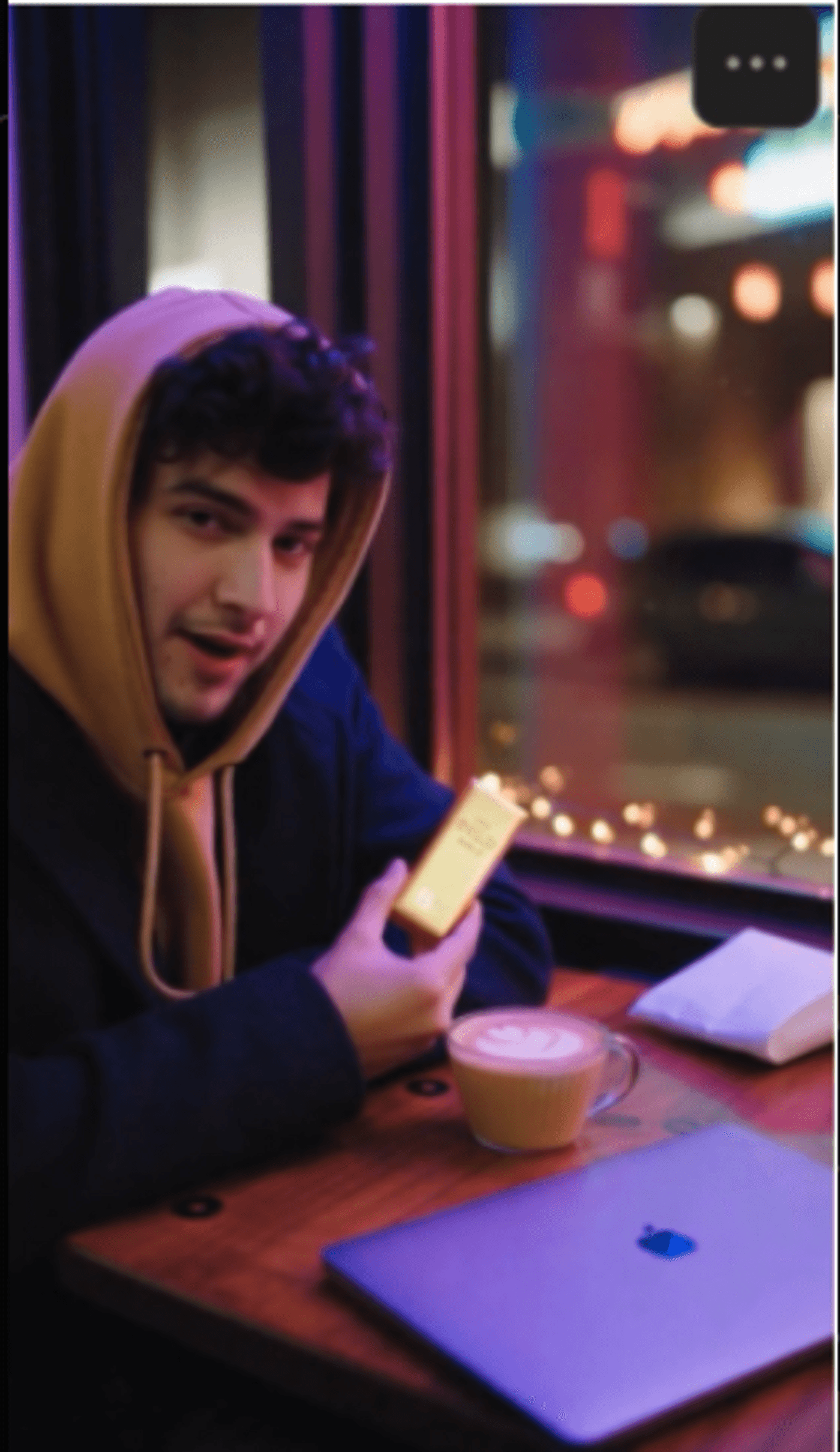
For travel brands, you can customize this preset by replacing the product with a boarding pass, luggage tag, hotel room key, or local cuisine as the speaker shares their experience.
Depending on how much polish you add, UGC can feel completely raw, slightly refined, or fully produced while still retaining authenticity. Here’s a quick breakdown:
- The Remix Strategy
UGC doesn’t always have to stay raw. With the right touch, you can lift it just enough to fit your brand identity without losing authenticity. A remix approach usually includes curating high-quality guest content from platforms like Instagram, TikTok, or YouTube or adding professional color grading. This creates the perfect middle ground: real content that still feels premium.
- Influencer Partnerships
For UGC that’s a bit more structured, still authentic, but created with intention, influencer partnerships work best. For example, this reel in partnership with AI travel influencer Emma shows her travelling on a canoe tour, showing the surroundings from her POV’.
It’s immersive, it’s informal, and it feels like you’re right there with her. That emotional closeness is what makes influencer-style UGC so effective.
"Dream Now, Book Later" Video Series
Travel decisions rarely happen instantly. People save destinations, compare properties, talk to friends, and wait for the right moment. That’s why this series works so well. Here’s how to strategically execute it:
-
•
Multi-Video Campaign Structure
A “Dream Now, Book Later” series works best as a 3-week narrative arc. This is because each phase has a purpose, and together they move travelers from curiosity → desire → action.
-
•
Week 1: The Dream Catalyst
In Week 1, focus on pure inspiration. Show golden beaches, sunrise views, still water, quiet balconies… the goal is to spark that first feeling of “I want to be there.”
-
•
Week 2: The Practical Dream
By Week 2, the dream should become practical. This is where you start introducing room categories, unique experiences, dining add-ons, wellness inclusions, and itinerary highlights.
-
•
Week 3: The Booking Trigger
By now, focus on inspiring action with limited availability messaging. For example, this “Limited Stock” preset shows the product in a retro countdown style.
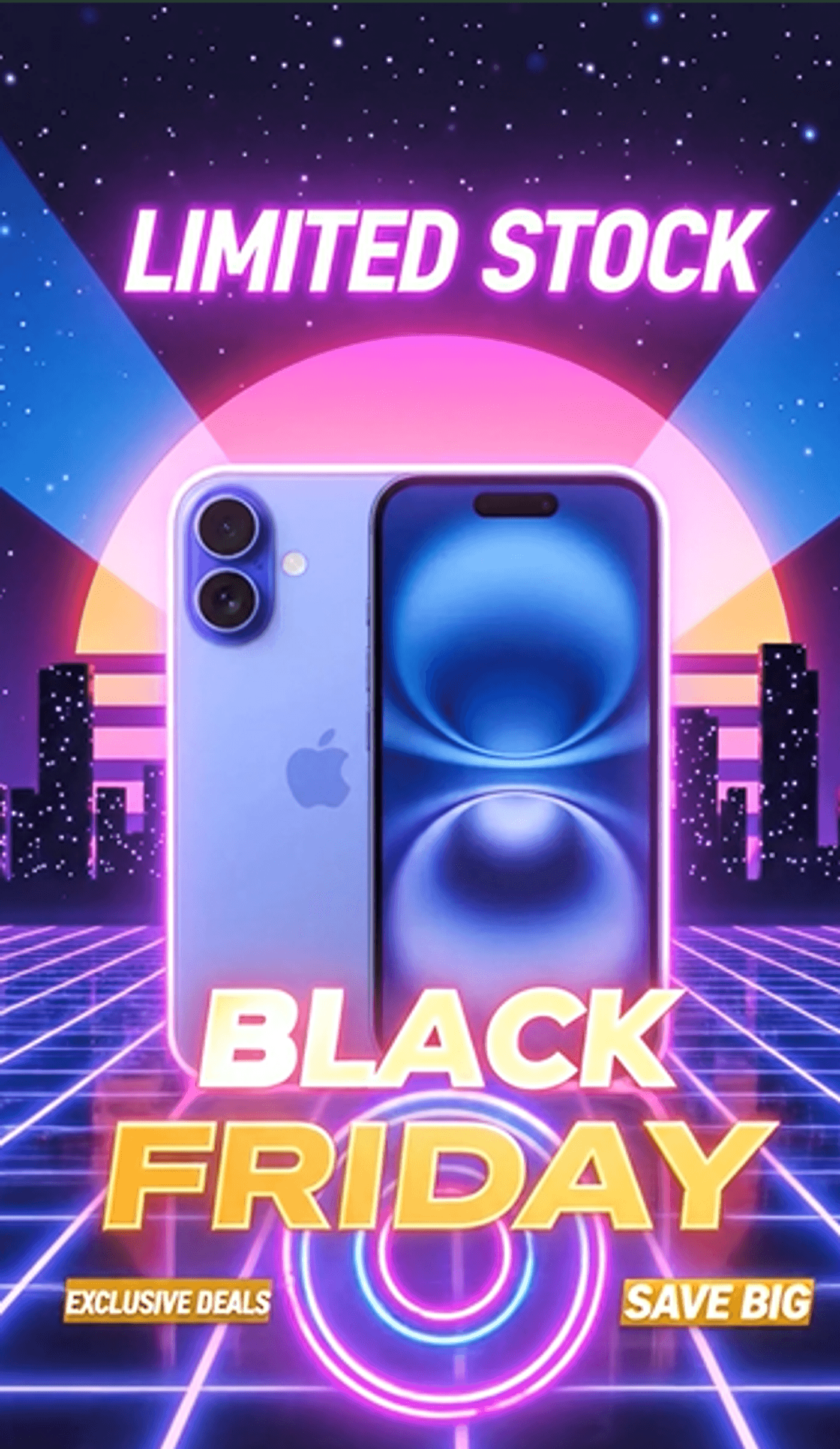
To customize it for your brand, simply replace the phone with your product/service details to keep the urgency high without feeling pushy.
- Platform Distribution
Different platforms play different roles in this three-week journey. Here’s what to keep in mind for each:
Role in the Series Ideal Format Instagram Stories & Reels Frequent touch points that keep the dream alive 5-10 second scenic cuts + overlays TikTok Narrative-driven episodes that build excitement 15-30 second mini-stories YouTube Longer destination showcases for serious planners 1-3 minute cinematic edits.
3-Week Campaign Timeline Graphic
Platform-Specific Execution
Different platforms play different roles in how people discover and imagine their next trip. Here’s what works on the most popular platforms:
-
1.
Instagram/Facebook
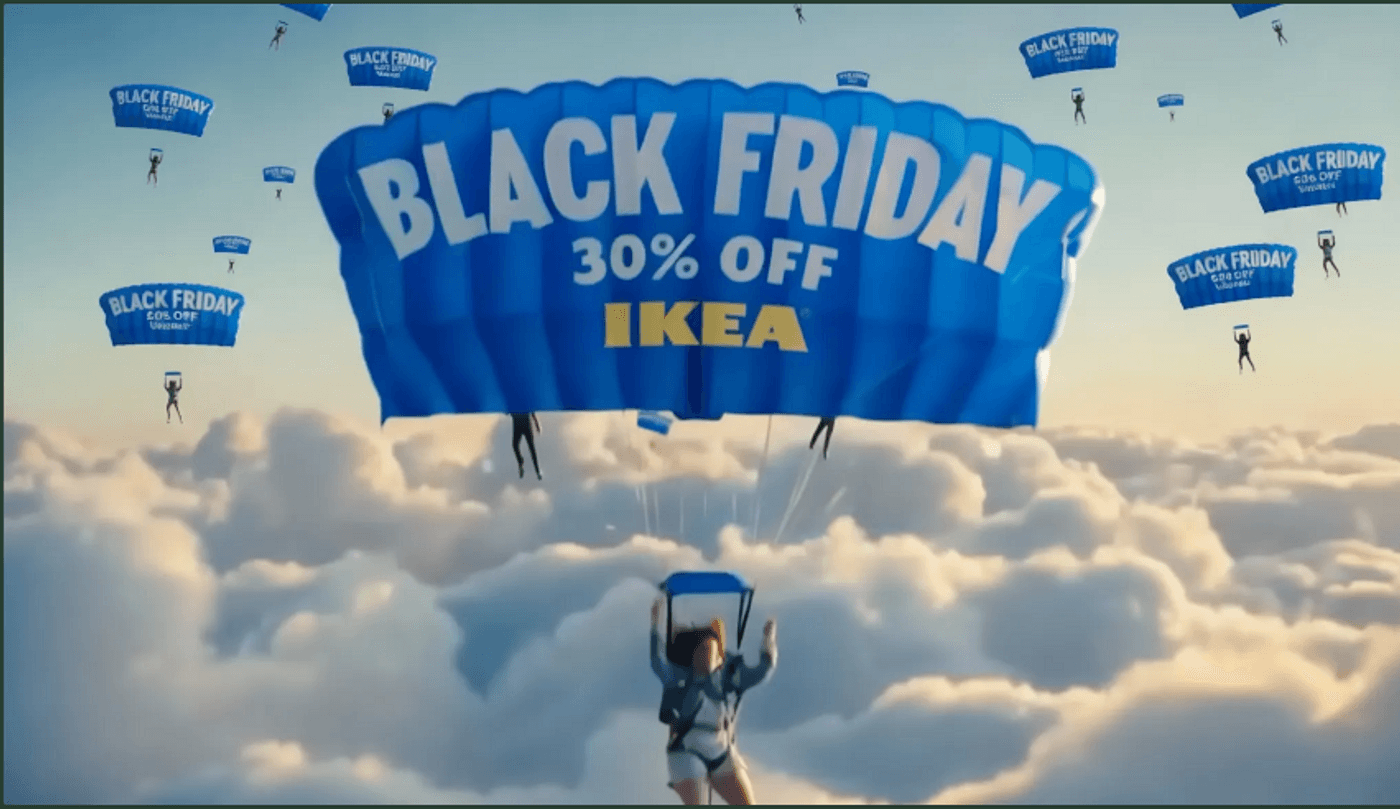
Instagram Reels work best here because they deliver quick destination hits like small sensory moments that inspire a save, a share, or a “tell me more.” For example, this preset uses environmental spectacle to create instant visual impact.
![]()
For travel brands, this preset can be used to create a destination teaser, a room reveal, or a seasonal announcement that feels big, atmospheric, and memorable.
-
2.
YouTube
Longer videos shine on YouTube. A 2-3 minute property tour or experience guide gives people enough space to understand the atmosphere, pacing, and personality of the destination. For example, here’s a cinematic luxury real estate tour video by Searise Studio.
It uses wide angles to capture the property from a bird’s eyeview, giving the viewer a complete picture of the place.
-
3.
TikTok
On TikTok, use trending audio in your content to blend into the native rhythm of the platform, while quick-cut sensory montages keep viewers engaged.
-
4.
Website/Email
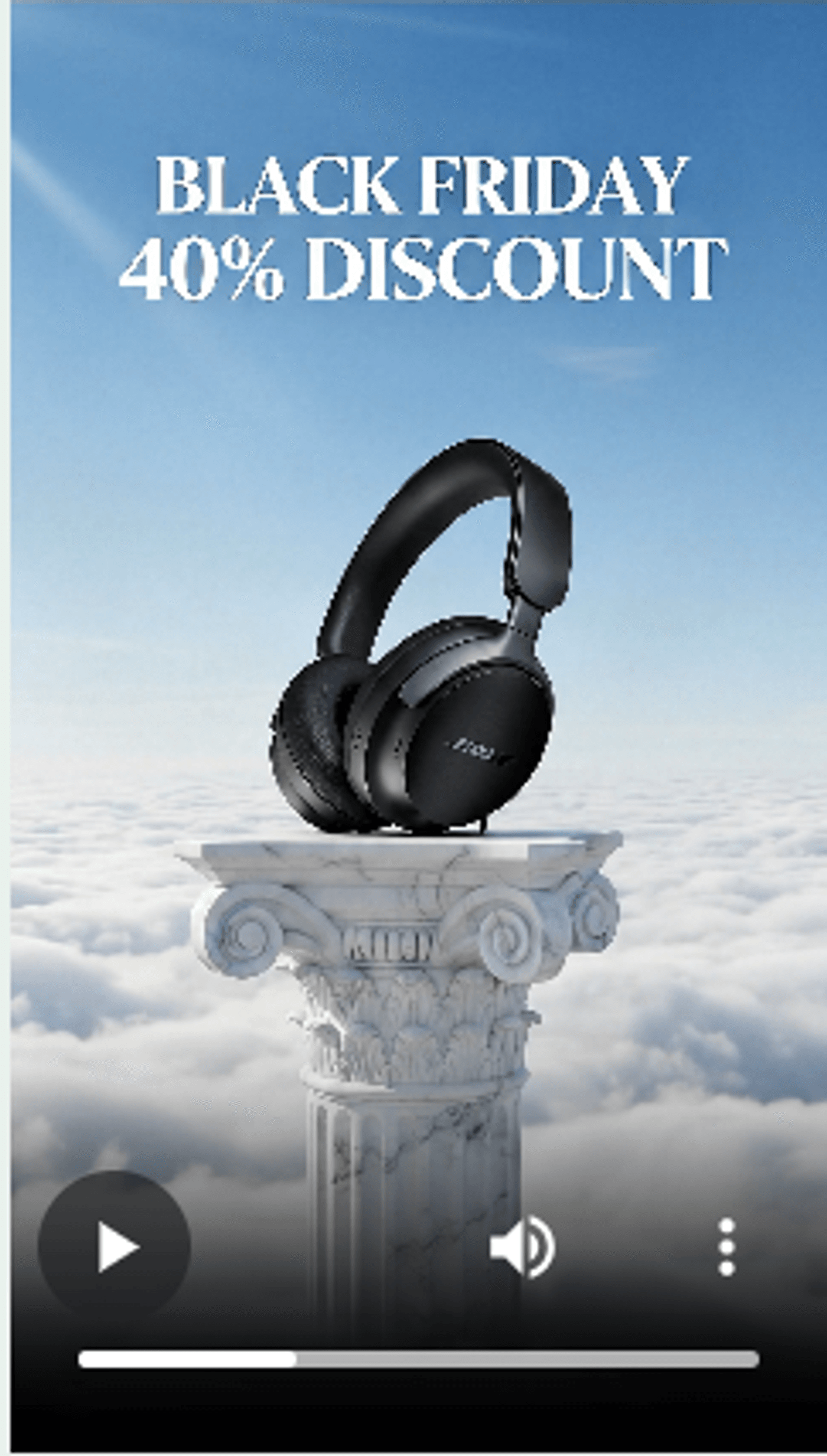
On the website, focus on autoplay videos and short header visuals. For emails, you can focus on creating an emotional hook before they even read the text. A preset like Cloud Pedestal works well as a premium homepage hero.
![]()
The product stays centered with a clean background, the motion is subtle, and the message appears clearly, instantly communicating quality before the visitor scrolls or clicks anything.
Black Friday Timeline Strategy
Most people need time to imagine the trip, share it with someone, and mentally commit. That’s why a clear timeline helps. Here's how the flow should look:
Before You Go…
Closing out a Black Friday campaign comes down to showing people what their next trip could look like and giving them enough sensory detail, social proof, and clarity to picture themselves there. Here are the top 10 video marketing techniques that can help you win on Black Friday.
Frequently Asked Questions
-
1.
How do we avoid cheapening our brand with Black Friday discounts?
Focus messaging on experiences, not price. Instead of “50% OFF hotel packages,” frame offers access to unique stays or “premium moments unlocked only this week.”
-
2.
What if our inventory is limited, won’t videos increase demand we can’t fulfill?
This is where controlled urgency formats help. Promote according to capacity so your demand spike remains manageable.
-
3.
Do we need separate video campaigns for different regions?
Mostly yes. Urgency language, travel dates, and legal requirements vary internationally. Localized overlays and multi-language captions can fix this without reshooting content.
-
4.
How do we track whether our Black Friday videos are actually driving bookings?
Use destination-specific CTAs and booking-intent micro-metrics such as “Add to wishlist” clicks or package comparison time.
