What is the best AI video model for generating anime-style animation?
Last updated July 27, 2026
Seedance 2.0 is the best current AI video model for anime-style animation: it preserves the stylized two-to-three-frame motion aesthetic of traditional anime while producing clean HD output, and it accepts style-reference frames and character sheets to hold a look across shots. One documented production used it to make a 3-minute hand-painted-style animated episode for ~$950.
Pick Seedance 2.0 for anime work because it handles anime-inspired movement natively — it keeps the deliberate two-to-three-frame motion cadence that gives traditional anime its feel, rather than smoothing everything into photoreal motion. It also generates diegetic audio natively: in one documented anime-style production, the creator added exactly one manual sound effect and everything else came out of Seedance 2.0 itself. All of the models discussed here run inside invideo, an agentic video creation tool, so you don't have to pick a platform per model — the invideo agent routes each shot to the right one.
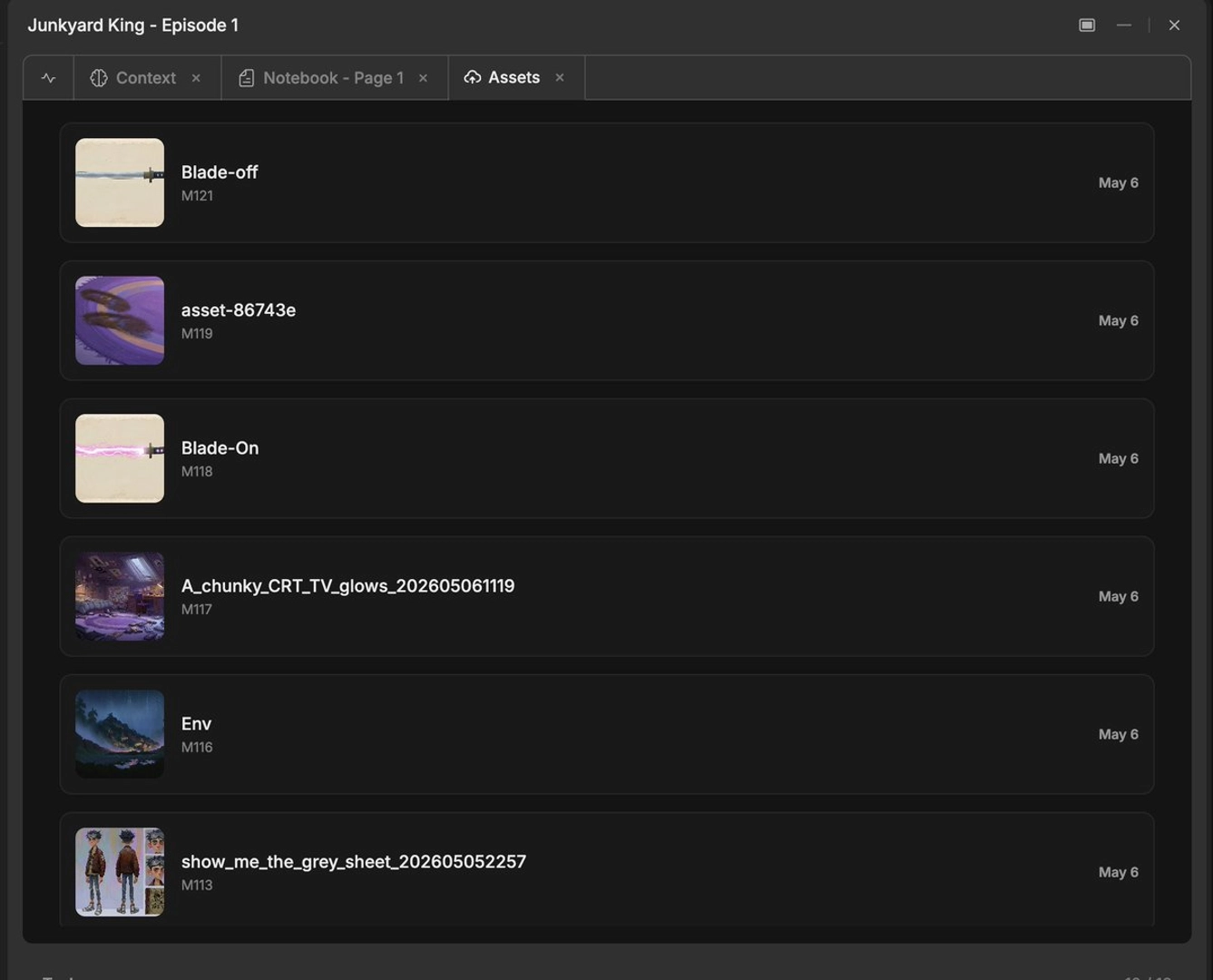
The model choice only pays off if you lock the anime style before generating. Upload a batch of style-reference frames from your target aesthetic in a single message and instruct the model to save the style to context — one 2-person team uploaded 64 frames from a reference anime with the prompt "I want you to deeply understand this art style and save it into context for further generations." Then write an explicit style block that prohibits what you don't want ("not live action, not photorealistic — every surface has hand-painted brushstroke texture") and attach it to every generation prompt; negative constraints are what stop the model drifting back toward realism, and for painterly looks expect to enforce phrases like "no outlines" across multiple passes. Lock character sheets before any video generation — in the documented production, ~5 generations locked each character at roughly $9.78 per character.
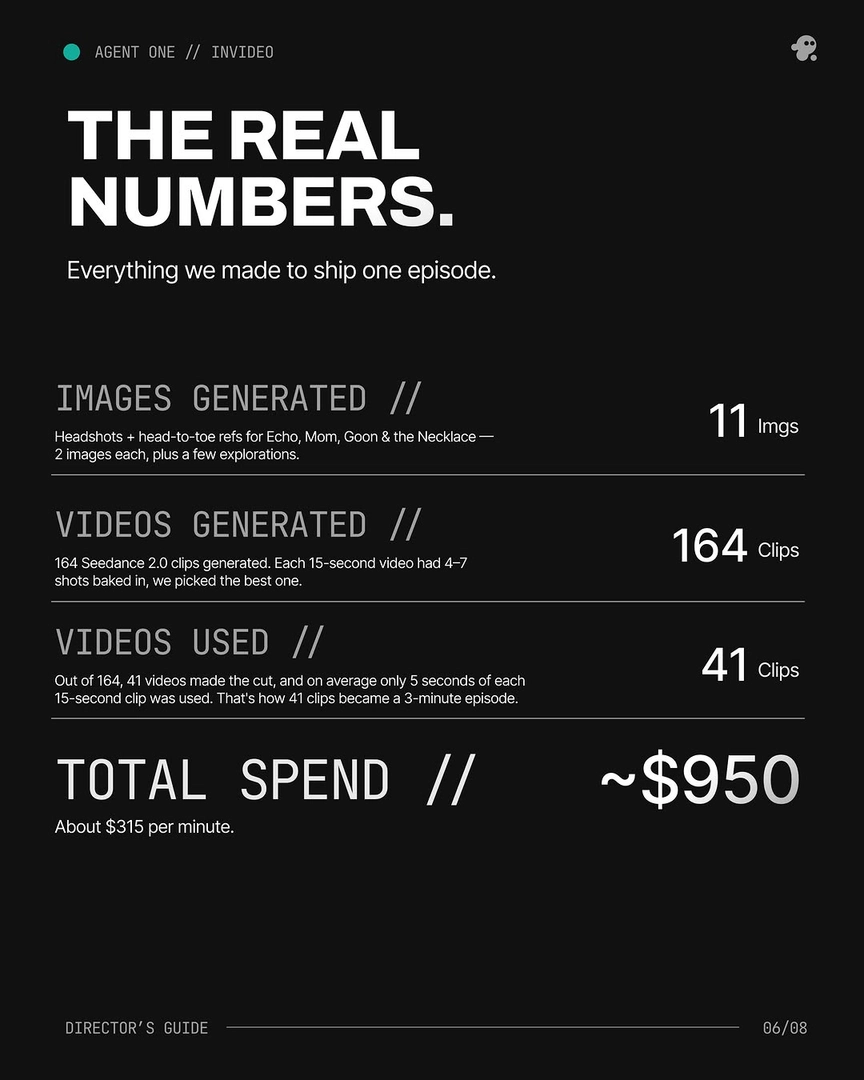
The production math from that Seedance 2.0 episode gives you a planning baseline: a 2-person team with no pre-production generated 164 clips in 15-second chunks over 2 days, kept 41 of them (~25% selection rate, averaging 5 usable seconds per clip), and finished a 3-minute episode for ~$950 — about $315 per finished minute. Budget roughly 3 generations per usable shot and treat overgeneration as a deliberate line item, not waste.
Against the other current video models, the trade-offs are specific: Kling 3.0 generates multi-shot sequences natively, and Veo is strong on general cinematic realism — but neither is the pick when the brief is stylized animation, because Seedance 2.0's reference-to-video carries your character sheets and style context across clips, which is what keeps an anime character on-model shot after shot. Inside invideo the invideo agent makes this call per shot, so the practical move is to state the anime intent clearly and let it route.
One finishing note for retro anime looks: a light post pass in your editor — film grain, targeted color grading, and small intentional imperfections — recreates the CRT/VHS texture of classic 90s broadcast anime and separates the result from default AI output.
Watch some of these to see what works for you:
What I especially love about Seedance is how well it handles anime-inspired movement, producing clean HD animations while maintaining that stylized 2-3 frame aesthetic that gives the series its traditional feel.
— a filmmaker producing an AI-animated series